
Organic agriculture has surged in popularity as consumers seek foods grown without synthetic pesticides and fertilisers. Beyond personal health, organic practices offer broad environmental and social benefits. This article explores the science behind organic farming’s reduced carbon footprint, its impact on soil health and biodiversity, and how Nour Food EG supports organic growers to deliver premium products.
Reducing greenhouse gas emissions
Organic farming abstains from synthetic nitrogen fertilisers, which are responsible for significant nitrous oxide emissions. Research compiled by IFOAM notes that organic systems reduce greenhouse gas emissions by around 20 % compared with conventional methods and that improved manure management can cut nitrous oxide and methane emissions by 50–70 %. By embracing these practices, farmers contribute to climate mitigation.
Nour Food EG encourages organic growers to implement composting, green manures and crop rotations that fix nitrogen naturally. These practices not only slash emissions but also enhance soil structure, making fields more resilient to droughts and floods.
Building soil health
Healthy soil underpins sustainable agriculture. Organic management increases soil carbon stocks by an estimated 3.5 ± 1.1 tonnes per hectare. This carbon acts as a sponge, improving water retention and reducing erosion. At the same time, organic fields support more earthworms and microbes, which cycle nutrients and suppress disease.
We partner with agronomists to monitor soil organic matter and tailor organic inputs to each field. Mulching, cover cropping and reduced tillage build humus layers that sequester carbon and feed soil life. Over time, these practices increase yields and reduce the need for external inputs.
Biodiversity and ecosystem services
IFOAM’s review highlights that organic farms host 30 % more species and 50 % more individuals than conventional fields. This biodiversity provides ecosystem services such as pollination, pest control and nutrient cycling. Birds, bees and beneficial insects thrive in fields free from broad‑spectrum pesticides.
Nour Food EG works with growers to create habitat strips, plant hedgerows and maintain wildflower margins. These features attract natural predators of crop pests, reducing the need for sprays. Biodiversity also provides aesthetic appeal that resonates with consumers.
Water quality and erosion
Conventional agriculture can leach nitrates into groundwater and cause soil erosion. Organic systems reduce soil erosion by about 22 % and nitrate leaching by 28–39 %. Cover crops protect soil between harvests, while nutrient recycling prevents excess nutrients from washing away.
These benefits matter in Egypt’s semi‑arid climate. By conserving soil and water, organic farmers safeguard the very resources they rely on. Nour Food EG provides technical support to help growers design erosion control strategies and irrigation schedules that preserve water quality.
Resilience to climate stress
Climate change is intensifying heatwaves, droughts and storms. Organic farms often display greater resilience because of their diverse crop rotations, deep root systems and healthier soils. During droughts, organic fields may yield more than conventional ones due to superior water retention.
Our extension teams train farmers to integrate drought‑tolerant varieties, mulches and shade trees into organic systems. These adaptations not only buffer against extreme weather but also support wildlife and improve landscape aesthetics.
Economic considerations and market demand
Organic produce often commands higher prices. Consumers are willing to pay premiums for foods perceived as safer and more sustainable. However, transitioning to organic requires time and investment. We support growers through the three‑year conversion period, helping them navigate certification and access stable markets.
By bundling organic shipments with our conventional exports, we create cost efficiencies and share logistics. We also invest in marketing campaigns that emphasise the ethical and environmental benefits of organic produce, attracting health‑conscious consumers.
Our commitment to organic agriculture
At Nour Food EG, organic agriculture is integral to our sustainability strategy. We partner with certified farms, provide technical support and ensure traceability throughout the supply chain. Our organic range includes citrus, leafy greens, herbs and specialty vegetables.
By promoting organic farming, we not only meet market demand but also contribute to soil regeneration, climate mitigation and rural prosperity. Through continuous learning and collaboration with researchers, we remain at the forefront of organic innovation.
Future of organic agriculture
The organic movement has evolved from a niche market into a global phenomenon. Sales of organic food have increased steadily across Europe, North America and parts of Asia, driven by consumer concerns about health, environmental degradation and animal welfare. As more farmland transitions to organic practices, a key debate centres on yield comparisons. Some studies suggest organic yields can be lower for certain crops, while others show that with the right rotations, soil management and cultivar selection, organic systems can match or even surpass conventional yields. Advances in organic pest control, such as biocontrol agents and pheromone traps, are closing the productivity gap. Nour Food EG sponsors research into locally adapted organic varieties and participatory breeding programs. By helping farmers access improved seeds and techniques, we contribute to the scientific evidence base supporting organic agriculture’s scalability. At the same time, we advocate for supportive policies, including subsidies during the transition period and funding for organic research at universities.
Educating consumers and farmers is crucial to sustain growth in the organic sector. Many consumers still equate ‘organic’ with simply pesticide‑free, not appreciating the full suite of practices that underpin certification. We communicate that organic farming is a holistic system that enriches soil, fosters biodiversity and respects workers. Through farm visits, video storytelling and transparent labelling, we build understanding and trust. On the farmer side, training covers soil management, pest monitoring, composting and record‑keeping. Certification requires meticulous documentation of inputs, field activities and yields. Nour Food EG provides templates and digital tools to simplify this process. We also organise peer‑to‑peer learning sessions where experienced organic farmers mentor newcomers. As the organic movement gains momentum, its pioneers will need to collaborate across borders, share knowledge and continually innovate. Our vision is of a thriving organic sector that delivers abundant, healthy food while restoring ecosystems and empowering rural communities.
Conclusion: Nour Food EG’s Commitment
Organic agriculture is more than a production system; it is a philosophy grounded in respect for nature and people. Nour Food EG embraces this philosophy, partnering with farmers who are willing to nurture soil, protect biodiversity and reduce reliance on synthetic inputs. We provide technical guidance, market access and financial support to help growers overcome the challenges of conversion and certification. Through continuous research and experimentation, we expand the range of organic crops and improve their performance under local conditions.
We believe that the future of food lies in systems that restore ecosystems while feeding a growing population. By choosing organic produce from Nour Food EG, consumers support practices that sequester carbon, conserve water and protect wildlife. We invite retailers, chefs and consumers to experience the difference that organic methods make in taste, nutrition and environmental impact. For more on our organic programmes and to join us in advancing sustainable agriculture, visit nourfoodeg.com.
Further Reading and Perspectives
For readers eager to explore organic agriculture further, consider reading scientific reviews on agroecology, attending organic farming conferences and visiting certified farms. By engaging with the community of practitioners and scientists, you will discover how organic principles can be adapted to different climates and cultures and why the movement continues to gain momentum.
Sources
- IFOAM report summarising the benefits of organic agriculture
Our Future Vision
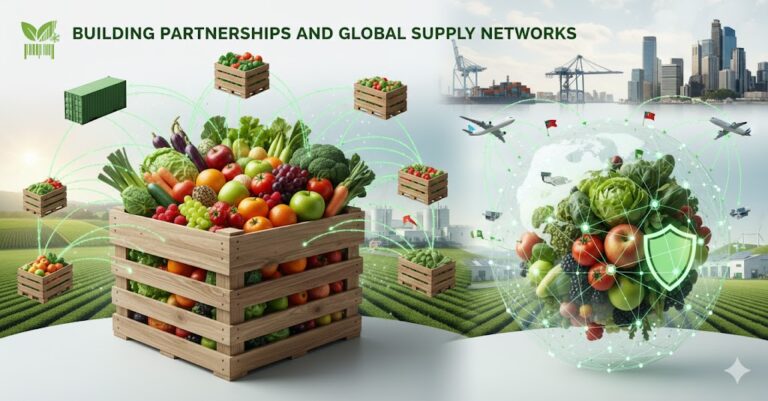
As global trade continues to evolve, Nour Food EG remains steadfast in its commitment to delivering premium quality fresh produce while respecting the environment and the communities we serve. We invest in cutting‑edge research, collaborate with universities and innovation hubs, and share knowledge across our network to ensure that our operations stay ahead of industry standards. By embracing digital transformation, sustainable practices and social responsibility, we aim to set benchmarks that inspire our peers and reassure our customers that they are working with a trusted partner.
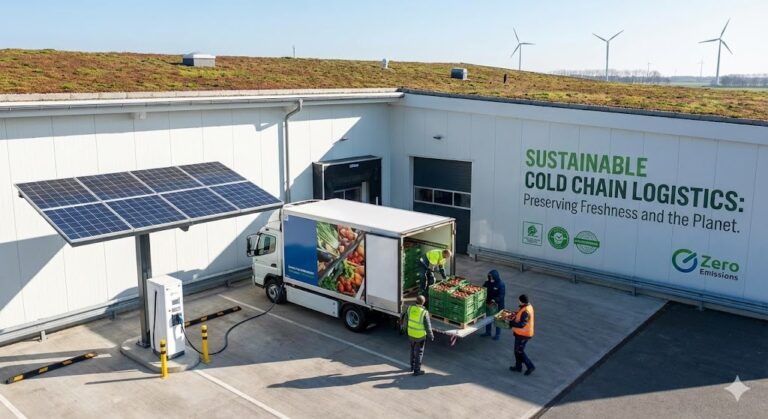
Our story is one of resilience and forward thinking. From humble beginnings to becoming a leader in Egyptian exports, we have always believed that transparency, integrity and excellence are the pillars of sustainable success. We look to the future with optimism, seeking to diversify our product range, expand into new markets and champion climate‑smart agriculture. Whether we are exploring renewable energy solutions for our cold chain, adopting biodegradable packaging or training the next generation of farmers, our mission remains the same: to nourish the world while nurturing our planet.