
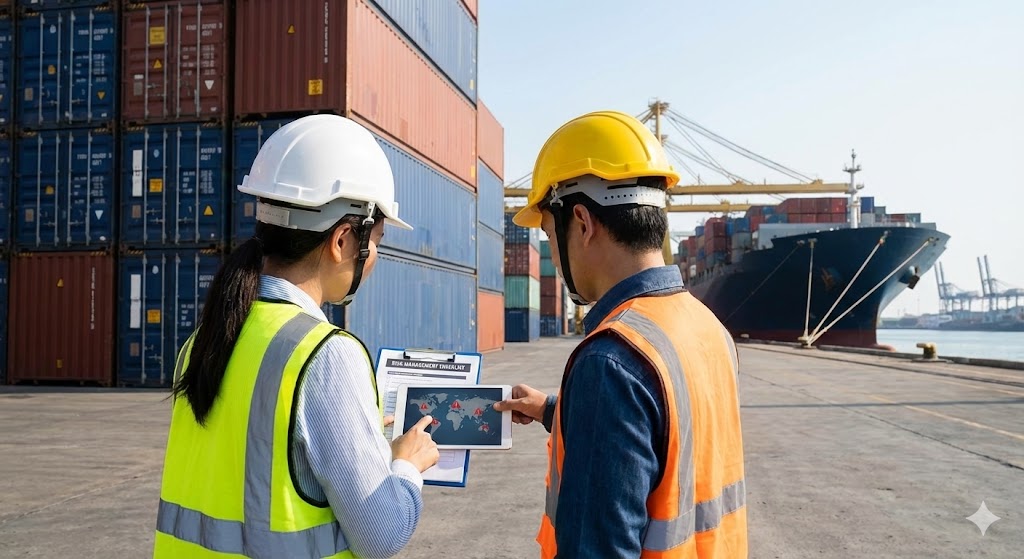


Exporting fresh produce entails a host of risks, from weather events and logistical disruptions to regulatory shifts and market volatility. Managing these risks requires foresight, planning and resilience. In this article, we analyse common risks faced by exporters and the strategies Nour Food EG employs to mitigate them, ensuring reliable delivery and customer satisfaction.
Weather and climate risks
Extreme weather events such as heatwaves, storms and floods can damage crops and delay shipments. Climate change intensifies these hazards. To protect against them, farmers diversify crops, plant climate‑resilient varieties and adopt soil management practices that buffer against drought.
Nour Food EG invests in weather forecasting tools and collaborates with meteorological services. We adjust harvest schedules and shipping routes to avoid storms and heat spikes, using cold storage and refrigeration to maintain quality.
Logistical and infrastructure risks
Ports, roads and cold storage facilities are critical nodes in the supply chain. Congestion, equipment breakdowns or labour strikes can delay shipments, leading to spoilage. Porter Logistics highlights the importance of reducing dwell time and planning the journey end to end.
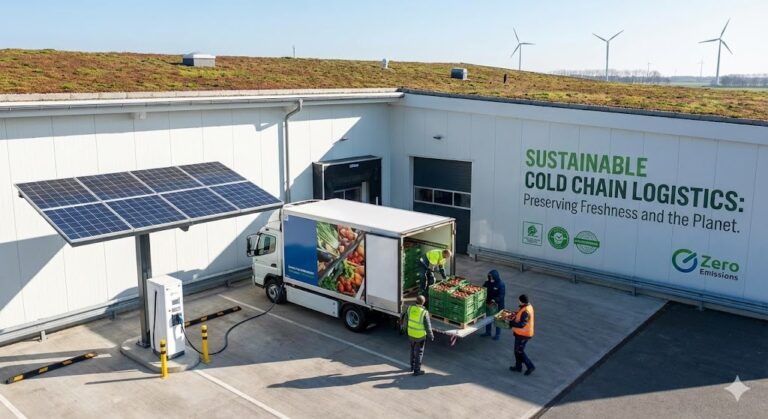
Our contingency plans include multiple transport options and backup partners. We choose carriers with strong track records and invest in our own cold storage to buffer against disruptions. Real‑time monitoring provides early warnings of delays.
Regulatory and compliance risks
Changing regulations around pesticide residues, packaging materials and labelling requirements can result in shipments being held or rejected. CBI reminds exporters that supermarkets often impose stricter limits than legal requirements.
We mitigate this risk by maintaining constant communication with buyers and regulatory authorities, proactively adjusting our practices and maintaining inventory flexibility to reroute shipments if necessary.
Market and price volatility
Produce prices fluctuate based on supply and demand, currency exchange rates and competing sources. To hedge against volatility, exporters diversify both their product range and their destination markets.
Nour Food EG monitors global price indices, engages in forward contracts and adjusts planting programmes in consultation with growers. By building relationships with buyers across multiple regions, we spread risk and seize opportunities.
Reputation and brand risks
Food safety incidents, labour violations or environmental scandals can damage brand reputation. Traceability systems, ethical audits and sustainability certifications help avoid such crises. If an issue arises, prompt and transparent communication is crucial.
We invest in training, certification and continuous improvement to uphold our reputation. In the rare event of a problem, we engage proactively with stakeholders to resolve it, demonstrating accountability and reinforcing trust.
Learning from disruptions and building resilience
Recent years have underscored how vulnerable supply chains can be. The COVID‑19 pandemic closed borders, grounded flights and caused labour shortages. More recently, the temporary blockage of the Suez Canal halted dozens of ships and delayed shipments worldwide. Each crisis exposed weak points, but also prompted rapid innovation. During the pandemic, Nour Food EG shifted from passenger planes to chartered freighters and adapted packaging to extend shelf life for longer transit times. We relied more heavily on cold storage to buffer against uncertainty. The Suez incident reminded us of the importance of diversification: we immediately rerouted some cargo via alternative Mediterranean ports and explored overland connections with our neighbours.
These experiences have taught us to invest in flexibility. We expand our network of logistics partners so that alternatives are available when primary routes fail. We build redundancy into our cold storage network and maintain contingency stock of packaging materials. Insurance policies and contractual clauses account for force majeure events. We also invest in scenario planning, using simulation software to test responses to various disruptions. Importantly, we cultivate a resilient culture among our staff. Cross‑training ensures that if some employees are unavailable, others can step in. Regular drills prepare teams to implement contingency plans without panic. By learning from past disruptions and preparing for future ones, we protect our stakeholders and strengthen our reputation for reliability.
Conclusion: Nour Food EG’s Commitment
Risk is an unavoidable part of agricultural exports, but it can be managed with foresight, flexibility and strong relationships. Nour Food EG’s approach to risk management is holistic: we assess climatic threats, logistic vulnerabilities, regulatory uncertainties and market volatilities. By investing in forecasting tools, maintaining diversified supply routes and engaging with policymakers, we anticipate challenges and adapt swiftly. Our commitment to transparency and traceability minimises reputational risk and builds confidence among buyers and consumers.
We also recognise that resilience is rooted in people. Empowered employees who understand contingency plans and are cross‑trained for multiple roles respond better to crises. Farmers who diversify crops and adopt climate‑smart practices withstand weather shocks more effectively. Logistics partners who invest in infrastructure and training ensure smoother operations. We invest in capacity building across the supply chain, ensuring that all stakeholders are equipped to navigate uncertainty.
Ultimately, our goal is to transform risk into opportunity. Each disruption teaches us something new about our systems and ourselves. We evolve, implement improvements and emerge stronger. By choosing Nour Food EG, our partners gain not only high‑quality produce but also a dependable ally prepared to weather storms—literal and figurative. Visit nourfoodeg.com to learn more about how we manage risk and deliver reliability in an ever‑changing world.
Further Reading and Perspectives
In the broader landscape of risk management, literature abounds on strategies such as diversification, hedging, insurance, vertical integration and collaborative governance. Agricultural economists analyse commodity price cycles, while climate scientists model extreme weather probabilities. Political analysts track trade policy shifts and geopolitical tensions. Nour Food EG synthesises these insights into a coherent risk framework. We run scenario analyses that consider simultaneous events—for example, a drought coinciding with currency devaluation—and develop response plans accordingly. We also engage with insurers to design products tailored to perishable goods, ensuring that coverage reflects the true complexity of our operations.
Continuing education is central to effective risk management. We encourage our staff to attend seminars, earn professional certifications and participate in cross‑industry forums. Lessons from unrelated sectors—like aviation, where safety protocols and contingency planning are highly developed—provide inspiration for our own practices. We also advocate for greater transparency in risk reporting across the agricultural sector, believing that shared information strengthens collective resilience. For those interested in learning more, resources such as the World Bank’s agricultural risk management guidelines and academic journals on supply chain resilience offer valuable frameworks. Nour Food EG is committed to sharing our experiences and learning from others, fostering a community of exporters dedicated to managing risk responsibly.
As supply chains become more complex and interconnected, the need for robust risk management will only grow. Continuous scenario planning and investment in adaptive systems ensure long‑term resilience.
Proactive risk management not only protects the bottom line but also enhances our ability to seize new opportunities.
Ongoing vigilance and knowledge‑sharing strengthen our entire network and help us build a brighter future together.
Sources
- Porter Logistics guidelines on reducing dwell time and comprehensive journey planning
- CBI discussion on supermarkets imposing stricter residue limits than official regulations
Our Future Vision
As global trade continues to evolve, Nour Food EG remains steadfast in its commitment to delivering premium quality fresh produce while respecting the environment and the communities we serve. We invest in cutting‑edge research, collaborate with universities and innovation hubs, and share knowledge across our network to ensure that our operations stay ahead of industry standards. By embracing digital transformation, sustainable practices and social responsibility, we aim to set benchmarks that inspire our peers and reassure our customers that they are working with a trusted partner.
Our story is one of resilience and forward thinking. From humble beginnings to becoming a leader in Egyptian exports, we have always believed that transparency, integrity and excellence are the pillars of sustainable success. We look to the future with optimism, seeking to diversify our product range, expand into new markets and champion climate‑smart agriculture. Whether we are exploring renewable energy solutions for our cold chain, adopting biodegradable packaging or training the next generation of farmers, our mission remains the same: to nourish the world while nurturing our planet.